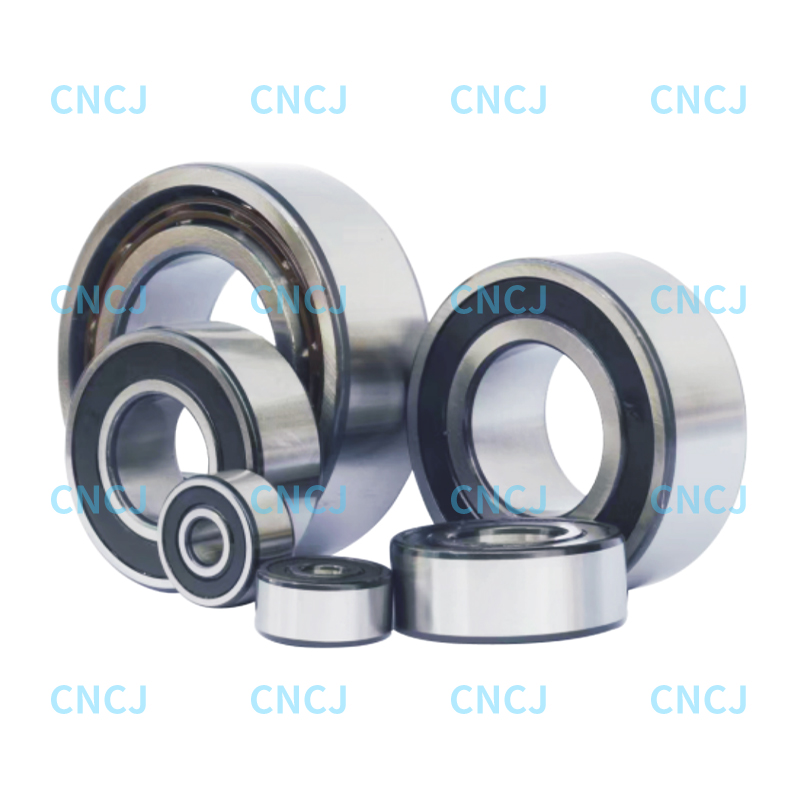
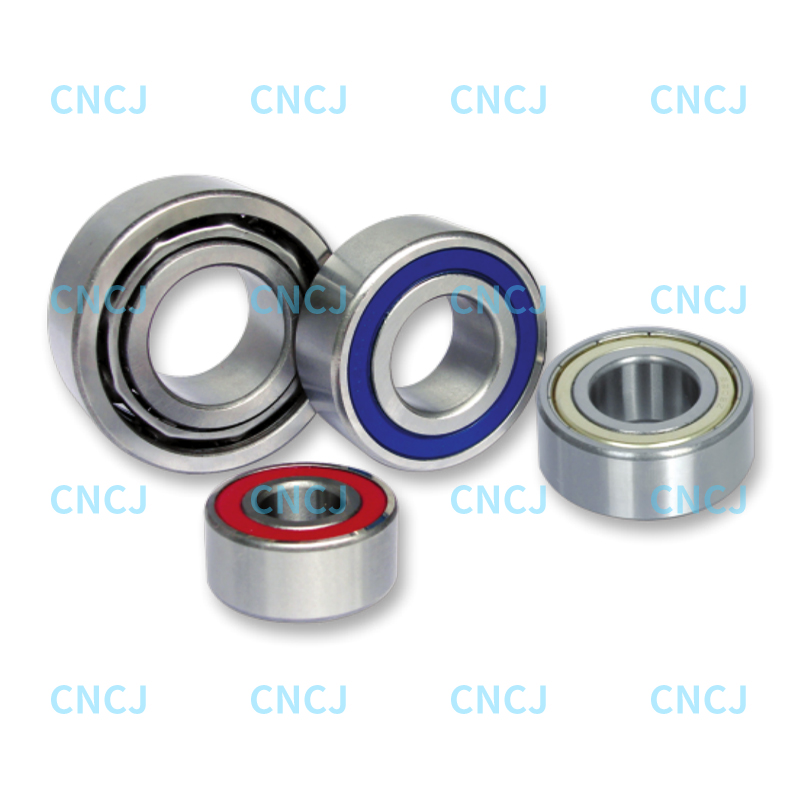
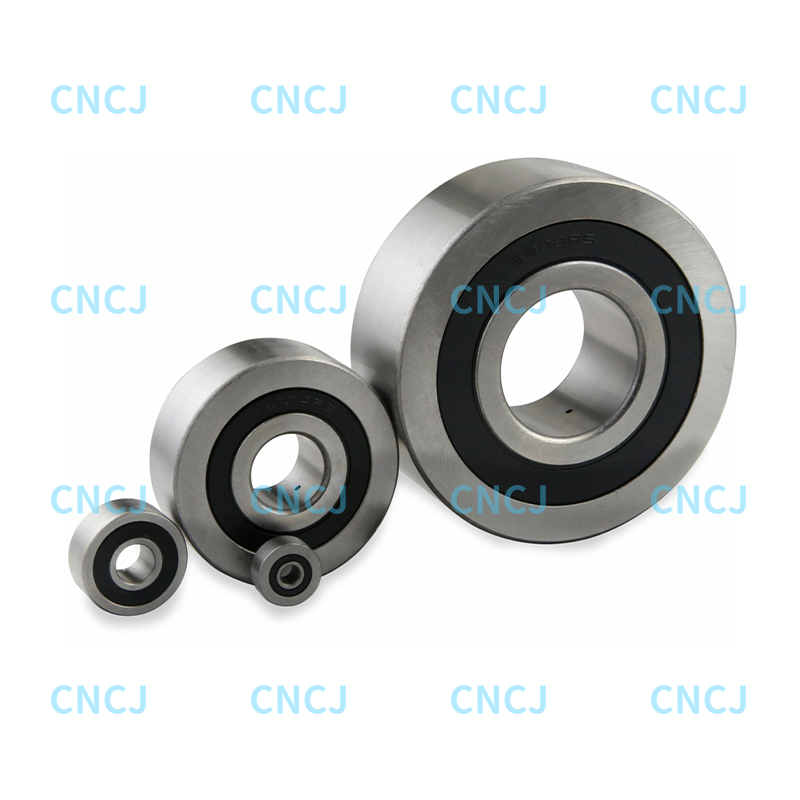
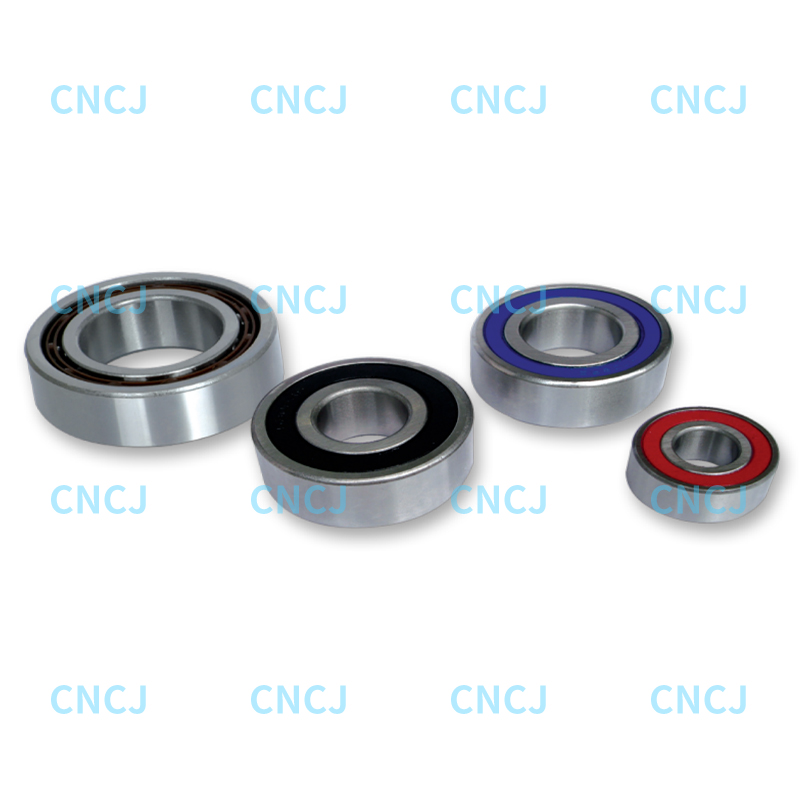
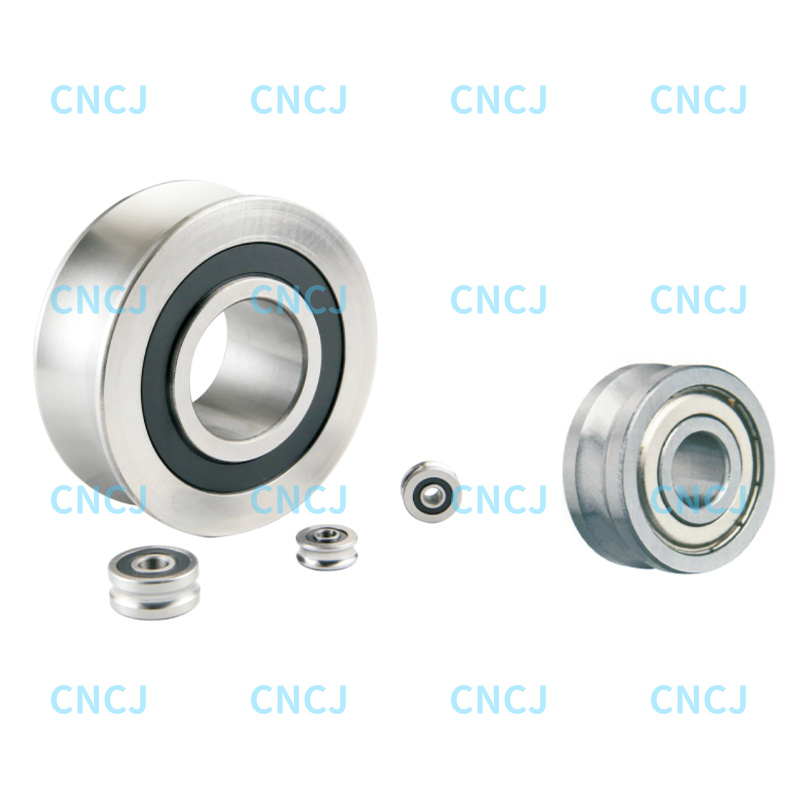
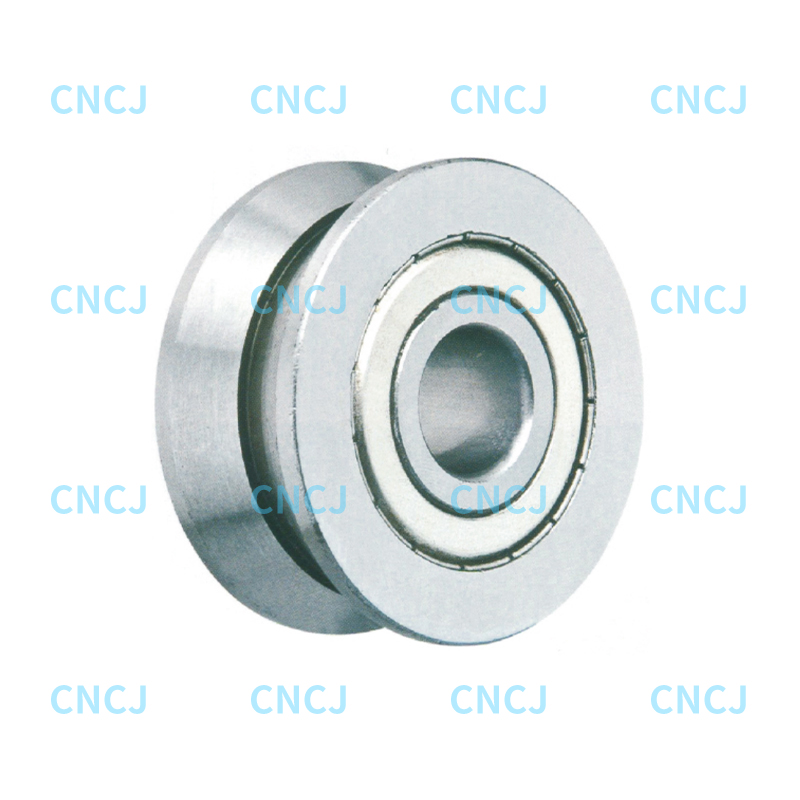
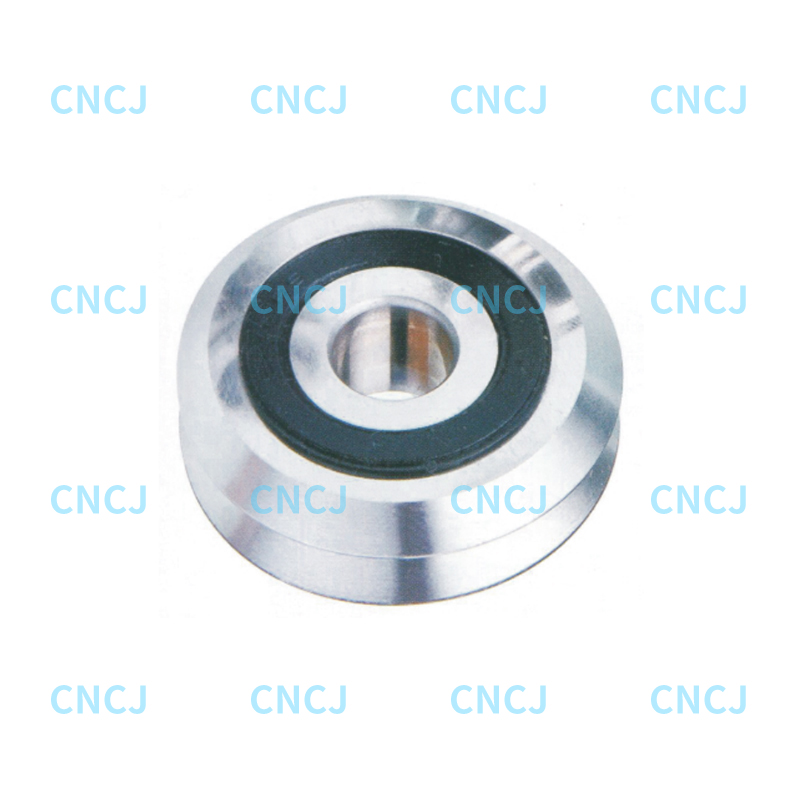
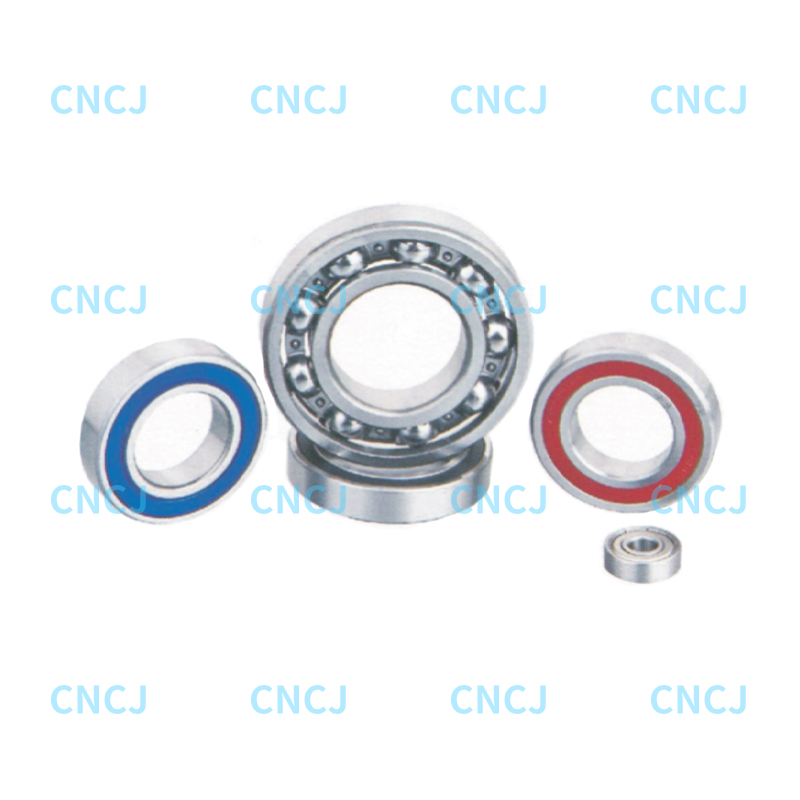
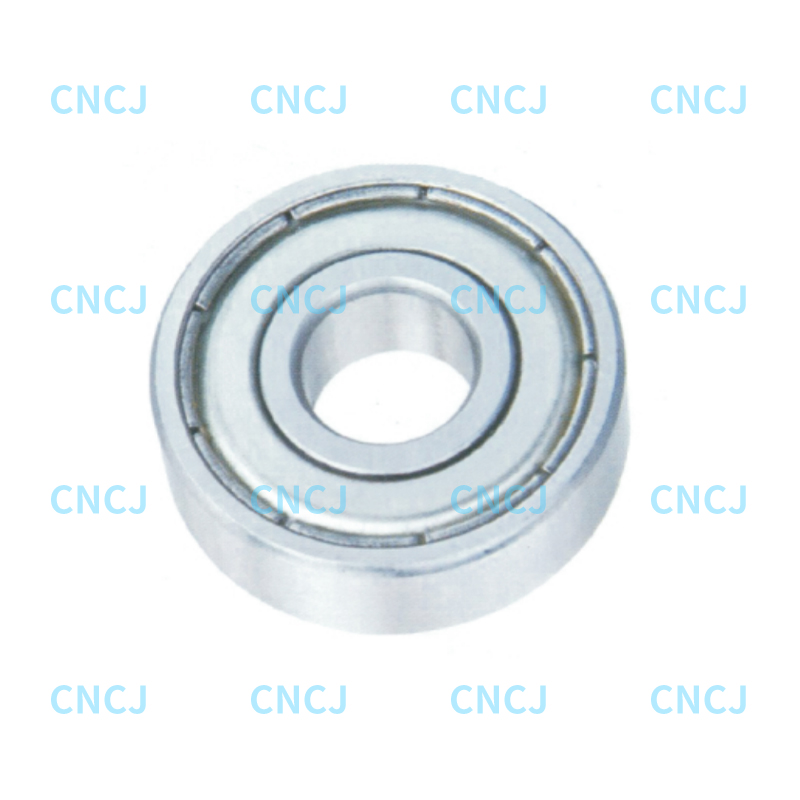
Çift Sıralı Eğik Makaralı Rulmanlar öyle Belirli, iyi tanımlanmış koşullarda tek sıralı alternatiflerden daha iyi — ve bu koşullarda önemli ölçüde daha iyiler. Birleşik yük kapasitesi, moment yükü direnci, her iki yönde eksenel destek ve kurulum kolaylığı açısından tek sıralı açısal temaslı rulmanlardan daha iyi performans gösterirler. Saha ön yükleme ayarını ortadan kaldırarak ve bileşen sayısını azaltarak eşleştirilmiş tek sıralı kurulumlardan daha iyi performans gösterirler. Ancak evrensel olarak üstün değillerdir: maksimum hız, minimum kesit veya saf radyal yük gerektiren uygulamalar için diğer rulman türleri daha uygundur. Sorun bunların soyut olarak daha iyi olup olmadığı değil, özel yük durumunuz, alanınız ve performans gereksinimleriniz için daha iyi olup olmadığıdır.
Çift Sıralı Eğik Makaralı Rulmanların Açıkça Daha İyi Olduğu Yer
Beş performans alanı vardır; Çift Sıralı Eğik Makaralı Rulmanlar En yaygın alternatiflerle karşılaştırıldığında ölçülebilir derecede üstün sonuçlar sunar:
Tek Bir Ünitede Birleşik Yük Kapasitesi
Tanımlayıcı avantaj, taşıma yeteneğidir tek bir kompakt rulman ünitesinde eş zamanlı radyal ve çift yönlü eksenel yükler . Tek sıralı açısal temaslı rulman yalnızca bir yöndeki eksenel yüke dayanabilir; ters yöndeki itme işlemini gerçekleştirmek için ters yöne bakan ikinci bir rulmanla eşleştirilmesi gerekir. Çift sıralı ünite, kurulum sırasında ikinci bir rulmana, ara parçaya veya hassas eksenel ayara ihtiyaç duymadan aynı eksenel alanda aynı sonucu dahili olarak elde eder.
Kantitatif açıdan, çift sıralı eğik temaslı makaralı rulmanın birleşik radyal ve eksenel dinamik yük kapasitesi tipik olarak Aynı delik çapına sahip tek sıralı rulmanlardan %30 ila 50 daha yüksek eşdeğer temas açısında. Bu, uygulanan yükü paylaşan iki katına çıkan yuvarlanma elemanı tamamlayıcısının doğrudan bir sonucudur. (Kaynak: Rulman Analizi, Tedric A. Harris ve Michael N. Kotzalas, 5. Baskı, CRC Press)
Sırt Sırta Konfigürasyonda Moment Yükü Direnci
O tipi (sırt sırta, DB) düzende monte edildiğinde, iki silindir sırasının basınç konisi tepeleri rulman merkez hattından dışarı doğru sapar. Bu bir yaratır Rulmanın kendi genişliği dahilinde daha geniş etkili yük destek aralığı — işlevsel olarak geniş aralıklı iki tek sıralı rulmana eşdeğerdir, ancak bir ünitenin kapladığı alan dahilindedir. Sonuç, tipi ne olursa olsun herhangi bir tek sıralı rulmana göre önemli ölçüde daha yüksek devrilme momenti direncidir.
Bu nedenle kesici takım kuvvetlerinin, doğrudan işleme hatasına dönüşen önemli moment yükleri oluşturduğu takım tezgahı iş milleri, iş mili burnunda arka arkaya çift sıralı açısal temaslı rulmanlara dayanır. Bir iş mili radyal sapması Alet ucunda 1 mikron hassas bileşenler üzerindeki bitmiş parça toleransı açısından ölçülebilir; Bu rulman konfigürasyonunun yüksek moment sertliği, üretim kesme yüklerinde sapmayı kabul edilebilir sınırlar içinde tutan şeydir. (Kaynak: Takım Tezgahı Tasarımının Temelleri, L. Klocke ve A. Kuchle, Springer, 2011)
Kurulum Kolaylığı ve Eşleştirilmiş Tek Sıralı Rulmanlar
Eşleştirilmiş tek sıralı eğik temaslı rulman setinde doğru ön yükün elde edilmesi, tipik olarak iç veya dış bilezik ara parçasını hesaplanan kalınlığa kadar taşlayarak veya gerekli ön yük seviyesine kalibre edilmiş bir kilitleme somunu tork prosedürü kullanarak hassas eksenel ayarlama gerektirir. Bu süreçteki hatalar ya yetersiz ön yüklemeye (sertlik ve doğruluğun azalmasına) ya da aşırı ön yüklemeye (aşırı ısınmaya ve erken yorulmaya neden olur) neden olur.
Çift sıralı açısal temaslı makaralı rulman bu durumu tamamen ortadan kaldırır. Dahili ön yükleme veya boşluk fabrikada ayarlandı ve doğrulandı Rulman imalatçıdan ayrılmadan önce. Kurulum yalnızca mil ve mahfaza yuvalarına doğru sıkı geçme gerektirir; ara parça taşlaması, tork kalibrasyonu ve kurulum sonrası ön yük doğrulaması gerekmez. Bu, kurulum becerisi gereksinimlerini azaltır ve önemli bir saha montaj hatası kaynağını ortadan kaldırır.
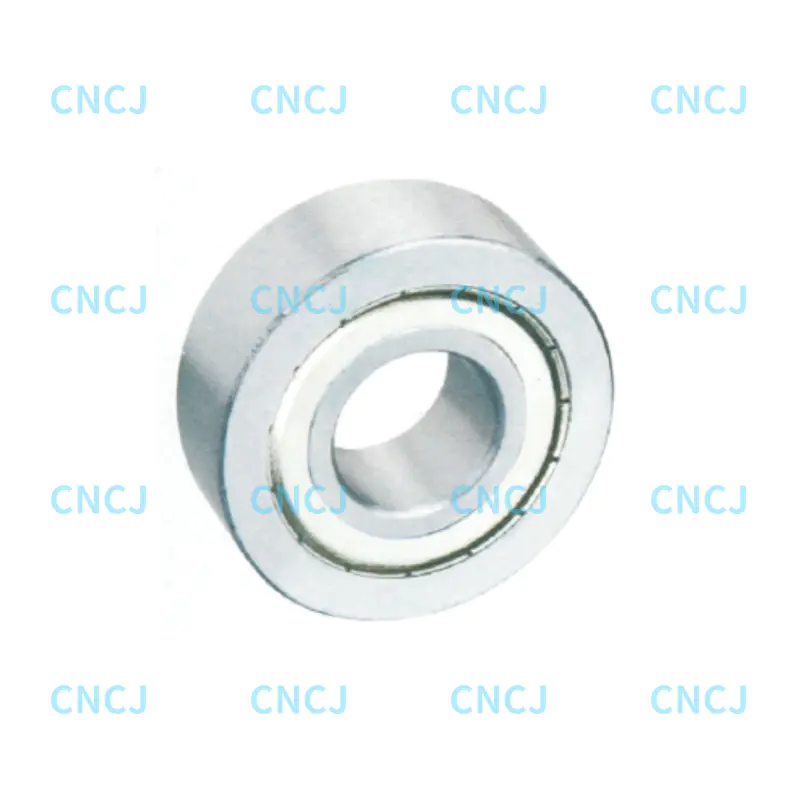
Kompakt Eksenel Uzunluk
İki ayrı açısal temaslı rulmanın (her biri kendi halka seti ve kafes düzeneğine sahip) çift sıralı bir üniteyle değiştirilmesi, toplam rulman düzeneği eksenel uzunluğunu sürekli olarak azaltır. %20 ila 35 Rulman serisine ve boyutuna bağlı olarak. Bu kompaktlık doğrudan daha kısa, daha rijit şaft tasarımlarına olanak tanır; şaft sapması ve doğal frekansın kritik tasarım parametreleri olduğu takım tezgahlarında, pompalarda ve dişli kutularında anlamlı bir fayda sağlar.
Daha Az Bileşen Sayısı ve Toplam Sistem Maliyeti
Tek bir çift sıralı rulman, iki tek sıralı rulman artı bir ara ara parçanın yerini alır. Yüksek hacimli üretim ortamlarında, daha az bileşen, stokta daha az parça numarası, daha az montaj adımı ve çift sıralı rulmanın birim fiyatı tek sıralı rulmanların birim fiyatını tek başına aşsa bile daha düşük toplam tedarik maliyeti anlamına gelir. Avrupa otomotiv tedarikçisi sektöründe 2019 yılında yapılan bir üretim maliyeti analizi, önceden monte edilmiş çift sıralı üniteler kullanan rulman montaj istasyonlarının azaltıldığını ortaya çıkardı Rulmanla ilgili montaj süresi %28 arttı aynı şaft konumundaki eşdeğer eşleştirilmiş tek sıralı konfigürasyonlarla karşılaştırıldığında. (Kaynak: International Journal of Advanced Manufacturing Technology, Cilt 104, Sayı 9-12, 2019)
Doğrudan Performans Karşılaştırması: Çift Sıralı ve Anahtar Alternatifler
| Performans Faktörü | Çift Sıralı Açısal Temaslı Rulo | Tek Sıralı Açısal Temaslı Rulo | Sabit Bilyalı Rulman | Eşleştirilmiş Konik Makaralı Rulmanlar |
| Çift yönlü eksenel yük | Evet — tek bir ünitede | Hayır — yalnızca tek yön | Sınırlı | Evet — iki ünite gerektirir |
| Radyal yük kapasitesi | Yüksek | iyi | Orta | Çok Yüksek |
| Moment yükü direnci | Yüksek (O-type) | Düşük | Çok Düşük | Yüksek (requires two units) |
| Kurulum basitliği | Yüksek — preset preload | Orta | Yüksek | Düşük — field preload setting required |
| Eksenel alan gerekli | Kompakt — tek ünite | Kompakt — tek ünite | Kompakt | Daha büyük — iki ünite artı ara parça |
| Maksimum hız (göreceli) | Orta | Yüksek | Çok Yüksek | Düşüker |
| Ön yükleme ayarı gerekli | Hayır — fabrika ayarı | Hayır (tek sıra) | Hayır | Evet — saha ayarı kritik |
Çift Sıralı Eğik Makaralı Rulmanların En İyi Seçim Olmadığı Yerler
Tam ve doğru bir cevap aynı zamanda bu yönlenmelerin hangi durumlarda optimal seçim olmadığını da tanımlamalıdır:
- Eksenel itme kuvveti olmadan saf radyal yükleme: Uygulama, eksenel bileşeni olmayan (konveyör makaraları, birçok elektrik motoru rotoru) yalnızca radyal yük taşıdığında, silindirik makaralı rulman aynı delik boyutunda daha düşük maliyetle daha yüksek radyal yük taşır. Açısal temas geometrisi, ihtiyaç duyulmayan eksenel kapasiteyi arttırır ve silindir temasının radyal verimliliğini bir miktar azaltır
- Çok yüksek hızlı uygulamalar: Temas açısı geometrisi ve daha büyük yuvarlanma elemanı tamamlayıcısı, sabit bilyalı rulmanlara veya tek sıralı eğik bilyalı rulmanlara kıyasla yüksek hızlarda yuvarlanma elemanları üzerinde daha yüksek merkezkaç ve jiroskopik kuvvetler oluşturur. Rulmanın hız sınırını aşan iş mili uygulamaları için (çoğu silindir tasarımı için ndm yaklaşık 600.000 mm/dak'nın üzerinde), alternatif rulman türleri veya yağlama sistemleri dikkate alınmalıdır.
- Aşırı radyal yük uygulamaları: Eksenel bileşeni önemli ölçüde aşan baskın radyal yüklere sahip haddehane boyunları ve ağır endüstriyel presler, açısal temas açısından kaynaklanan tavizler olmaksızın haddeleme geometrisini tamamen radyal yükleme için optimize eden büyük delikli silindirik veya oynak makaralı rulmanlar tarafından daha iyi desteklenir.
- Yanlış hizalamaya uyum gerektiren uygulamalar: Çift sıralı eğik temaslı makaralı rulmanlar, şaftın yanlış hizalanmasına karşı çok sınırlı bir toleransa sahiptir; genellikle 2 ark dakikanın altındadır. Yük altında şaft sapması veya yatak deliği hizasızlığının bunu aştığı durumlarda, kendi kendine hizalanma özelliğine sahip oynak makaralı rulman doğru alternatiftir
Gerçek Dünyadan Kanıtlar: Bu Rulmanların Avantajlarını Kanıtladığı Yer
Takım Tezgahı Milleri
CNC işleme merkezleri ve taşlama makineleri, iş mili iş ucunda sırt sırta çift sıralı açısal temaslı rulmanları evrensel olarak belirtir çünkü başka hiçbir tek rulman ünitesi, iş mili burnunda gerekli radyal sertlik, moment sertliği ve çift yönlü eksenel destek kombinasyonunu sağlayamaz. Önceden ayarlanmış ön yük aynı zamanda parça toleranslarını etkileyebilecek termal ön yük değişimi olmadan üretim vardiyası boyunca tutarlı dinamik sertlik sağlar. Hassas takım tezgahı üreticilerinden elde edilen sektör verileri, doğru şekilde belirlenmiş çift sıralı açısal temas üniteleri için iş mili rulmanı değiştirme aralıklarının ortalama olduğunu göstermektedir 15.000 ila 25.000 saat normal üretim hizmetinde. (Kaynak: CIRP Annals — Üretim Teknolojisi, Cilt 61, Sayı 2, 2012)
Otomotiv Tekerlek Göbeği Rulmanları
Modern binek otomobil tekerlek poyrası üniteleri, daha önceki tasarımlarda kullanılan iki ayrı konik makaralı rulmanların yerine sızdırmaz, bakım gerektirmeyen üniteler olarak çift sıralı eğik bilyalı rulmanlar (aynı tasarım ailesinin bir alt kümesi) kullanır. Geçiş bir sonuç verdi Göbek aksamı bileşenlerinde %60'ın üzerinde azalma tekerlek yatağı ayarının araç servis programından çıkarılması ve bakım gerektirmeden 150.000 km veya daha fazla tasarım hizmet ömrü. Bu, çift sıralı eğik temaslı rulman teknolojisi için tartışmasız en yüksek hacimli başarı durumudur. (Kaynak: SAE Uluslararası Binek Araçlar Dergisi - Mekanik Sistemler, Cilt 5, 2012)
Endüstriyel Redüktörler
Helisel dişli milleri, tahrik torku tersine döndüğünde yönü tersine çeviren helis açısından eksenel itme kuvveti üretir. Endüstriyel dişli kutularının çıkış mili konumundaki çift sıralı eğik temaslı makaralı rulmanlar, bu çift yönlü baskıyı ayrı bir baskı yatağı olmadan karşılayarak yatak uzunluğunu azaltır ve montaj sırasında baskı yatağının yanlış hizalanması riskini ortadan kaldırır. Şanzıman üreticileri, tek sıra artı baskı yatağı kombinasyonunu çift sıralı açısal kontak ünitesiyle değiştirmenin, o yatak konumu için yatak işleme maliyetini yaklaşık olarak azalttığını bildirmektedir. %15 ila 20 Gereken daha basit delik geometrisi nedeniyle.
Bu Rulman Tipinin Uygulamanız İçin Daha İyi Olup Olmadığı Nasıl Belirlenir?
Çift sıralı açısal temaslı makaralı rulmanın belirli bir uygulama için üstün bir seçim olup olmadığını değerlendirmek için bu karar çerçevesini kullanın:
- Eksenel-radyal yük oranını (Fa/Fr) hesaplayın. Yük döngüsünün herhangi bir noktasında Fa/Fr 0,35'i aşarsa, çift yönlü eksenel destek kritik hale gelir ve çift sıralı açısal temaslı rulman muhtemelen doğru çözümdür.
- Moment yüklemesini değerlendirin. Mil, dişlilerden, kasnaklardan, aletlerden veya pervanelerden sarkan yükler taşıyorsa, yatak konumundaki moment seçime hakim olabilir. Çift sıralı O tipi ünitenin etkili taşıma açıklığını aynı alandaki eşleştirilmiş tekli ünitelerle karşılaştırın
- Hız gereksinimini kontrol edin. Ndm cinsinden çalışma hızı (mm cinsinden ortalama çap çarpı rpm) 400.000 ila 600.000'i aşarsa, gerekli yağlama yöntemiyle rulmanın hız sınırının yeterli olup olmadığını veya bir bilyalı rulman çeşidinin gerekli olup olmadığını değerlendirin
- Şaft hizalamasını değerlendirin. Maksimum yük altında şaft sapması yatak konumunda 2 yay-dakikayı aşarsa, çift sıralı açısal temaslı rulmanı yanlış hizalanmış bir kuruluma zorlamak yerine kendinden hizalamalı bir alternatif düşünülmelidir.
- Yalnızca rulman fiyatını değil, toplam sistem maliyetini de karşılaştırın. Çift sıralı ünitenin daha pahalı olduğu sonucuna varmadan önce, eşleştirilmiş tek sıralı çözümün gerektirdiği ikinci rulman, ara parça, ön yük ayarlama prosedürü ve ek yatak işleme maliyetini dahil edin
CNCJ Çift Sıralı Eğik Makaralı Rulmanlar öyle available with application engineering support to help evaluate load cases, confirm contact angle selection, and validate life calculations for specific operating conditions. Their range covers standard ISO bore sizes from small precision spindle applications through large industrial drive configurations, with factory-set preload options and multiple precision classes to match the performance requirements of different end uses.
Verdict: Better in the Right Conditions
| Durumunuz | Çift Sıralı Eğik Makaralı Rulmanlar Daha mı İyi? |
| Tek konumda birleşik radyal çift yönlü eksenel yük | Evet — herhangi bir tek sıralı alternatiften açıkça daha iyi |
| Yatak konumunda önemli moment yükü | Evet — O-tipi konfigürasyon burada öne çıkıyor |
| Eşleştirilmiş tek sıralı setin saha ön yükleme ayarıyla değiştirilmesi | Evet — fabrika ön ayarı, ayarlama hatasını ortadan kaldırır |
| Eksenel gövde uzunluğunun azaltılması gerekiyor | Evet - eşdeğer eşleştirilmiş setten %20 ila 35 daha kısa |
| Yalnızca saf radyal yük, eksenel bileşen yok | Hayır — cylindrical roller bearing is more efficient |
| Rulman hızı sınırının üzerinde çok yüksek hız | Hayır — single-row angular contact ball bearing is better |
| Önemli şaft yanlış hizalaması bekleniyor | Hayır — spherical roller bearing is the correct choice |
final answer: Çift Sıralı Eğik Makaralı Rulmanlar öyle better — often substantially better — whenever an application involves combined loading, moment forces, bidirectional thrust, or a need for installation simplicity in a compact form. They are the right bearing for a large proportion of real industrial applications precisely because these conditions are common in machine tools, drivetrains, pumps, and wheel systems. Matching the bearing type to the actual load case is what determines whether they are better for your application specifically.