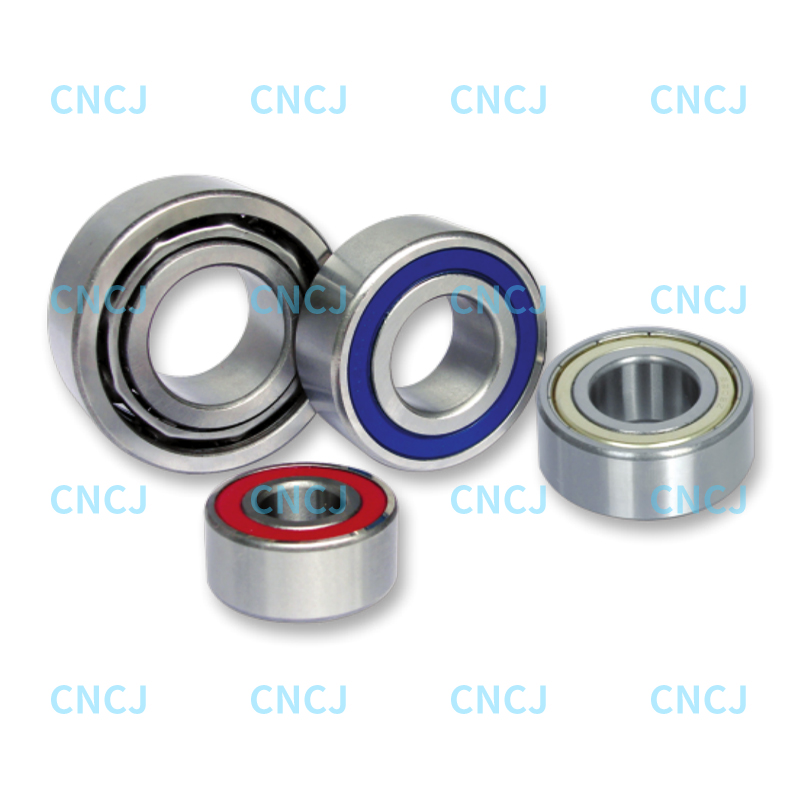
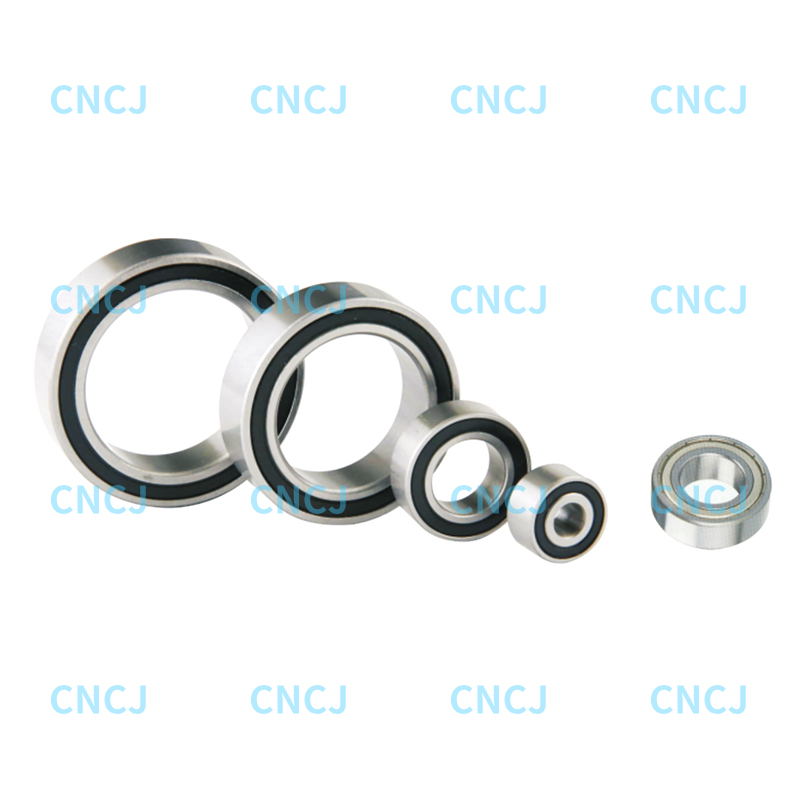
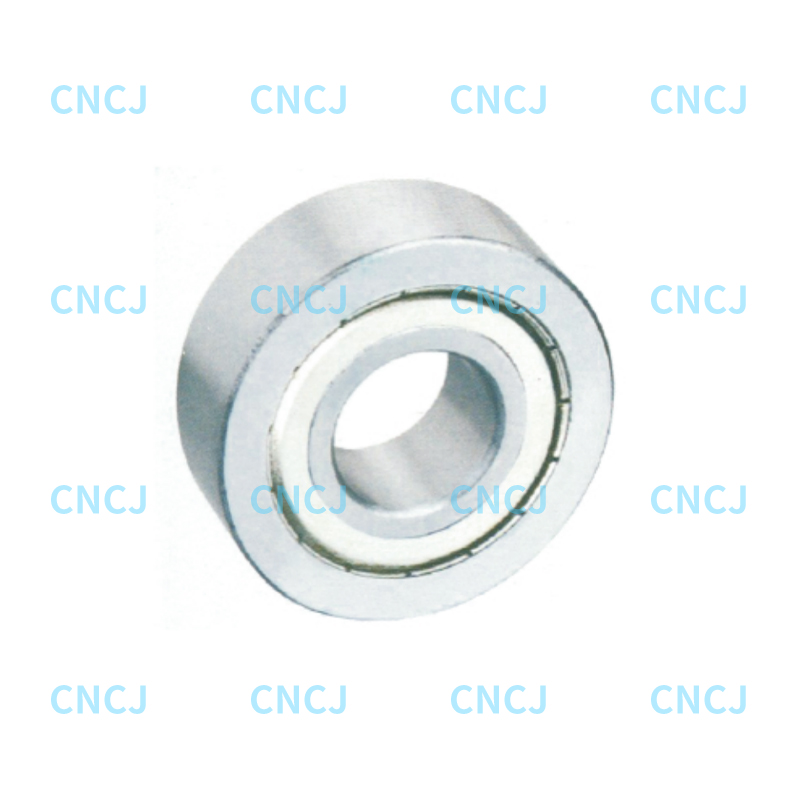
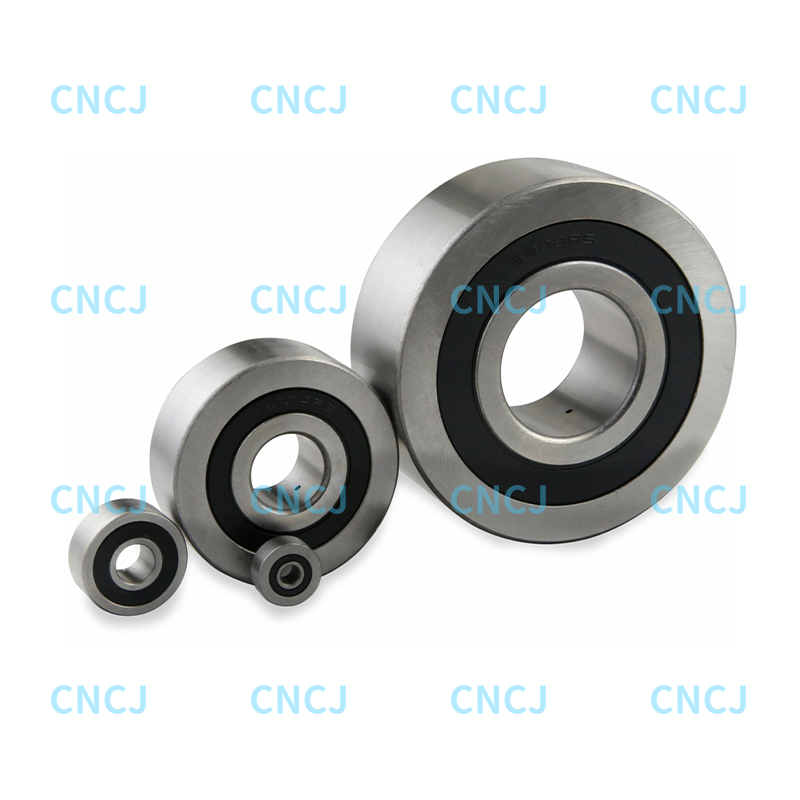
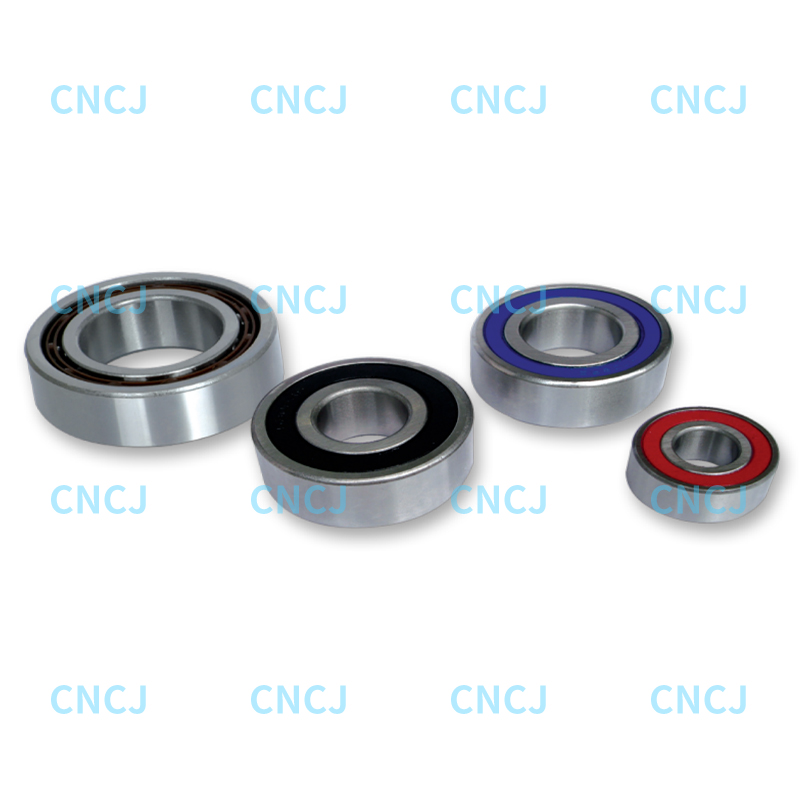
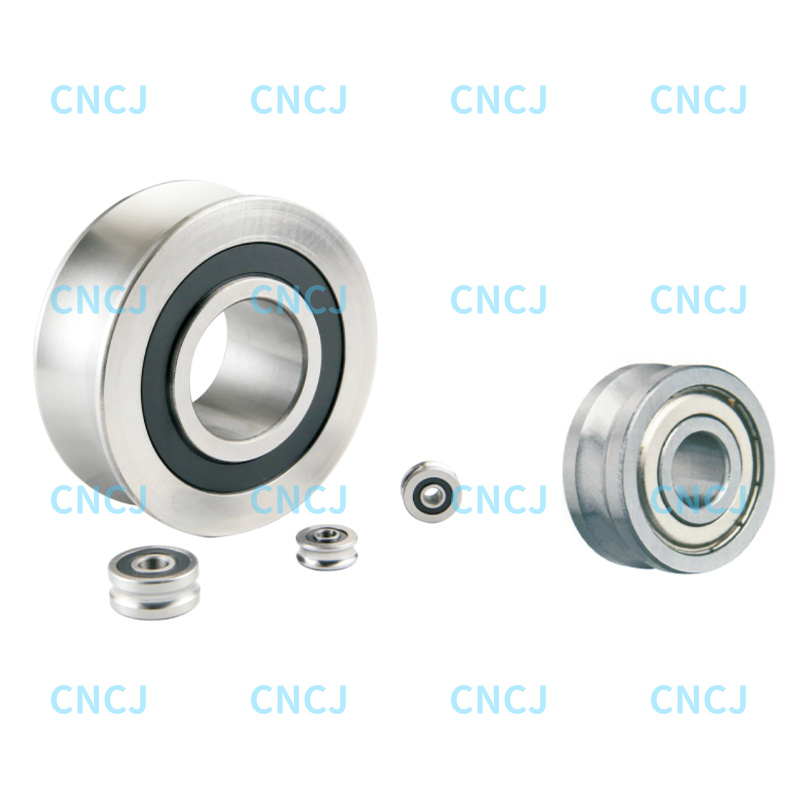
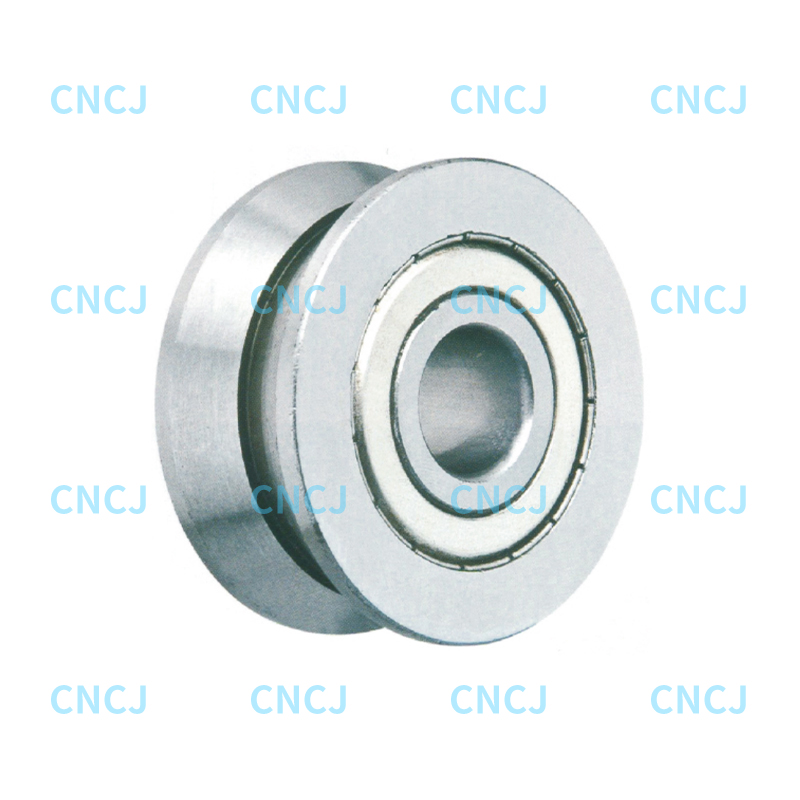
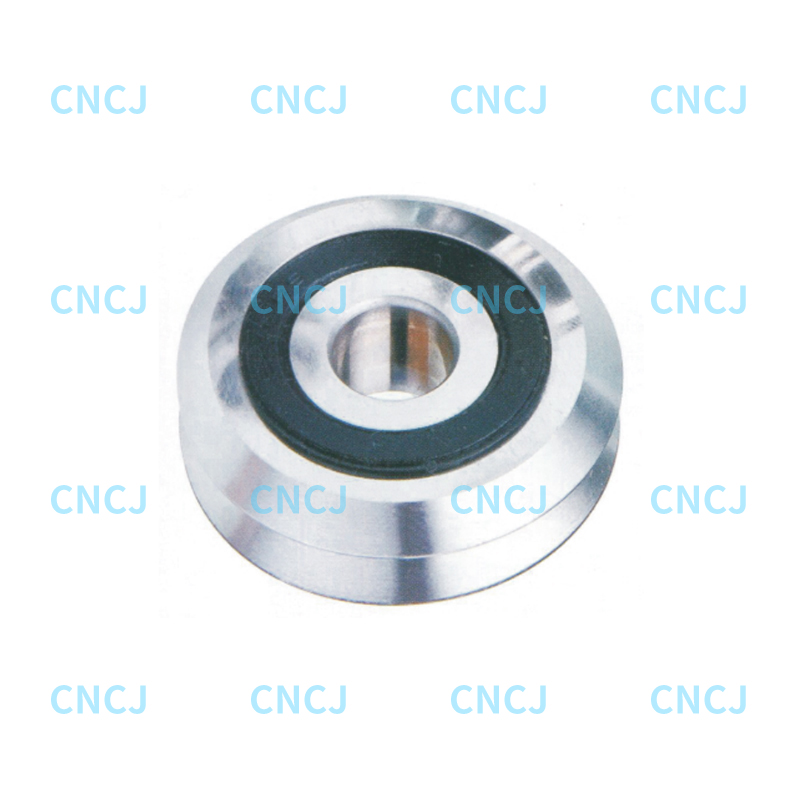
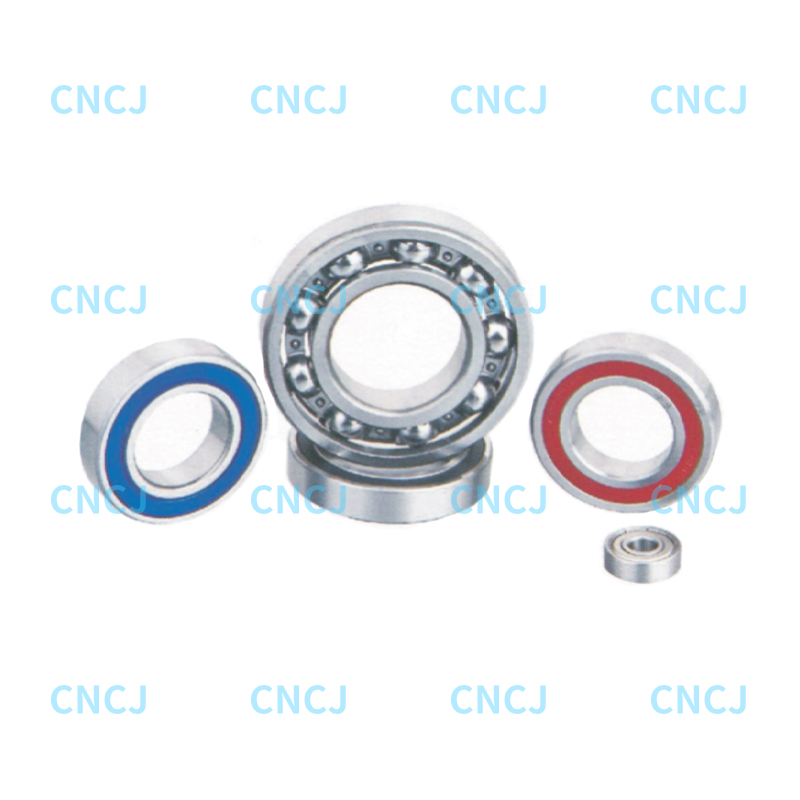
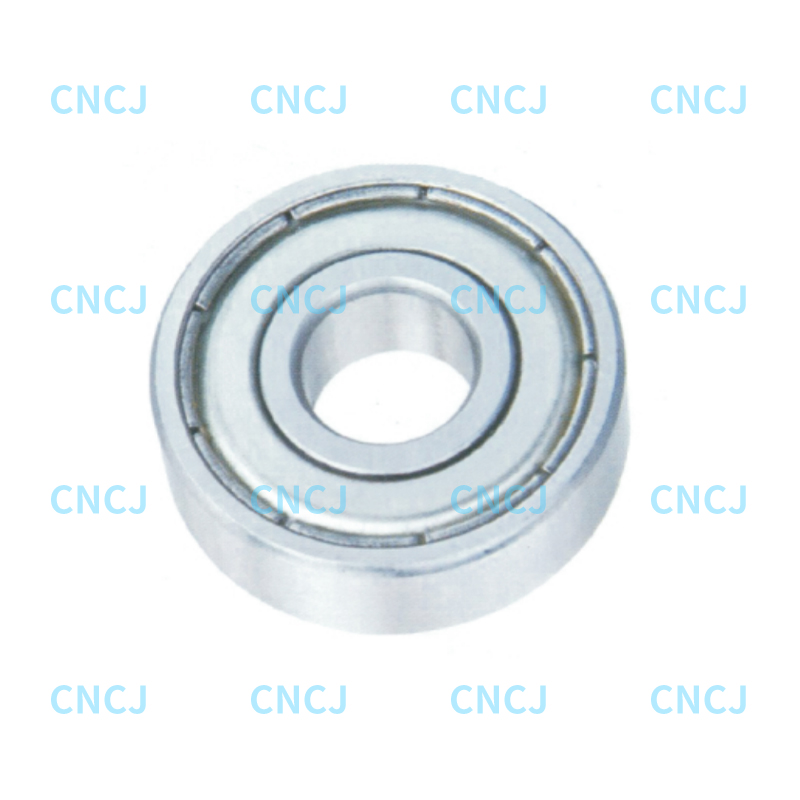
33 Serisi Çift Sıralı Eğik Bilyalı Rulmanlar tek bir kompakt rulman ünitesinin aynı anda taşıması gereken her yerde kullanılır radyal yükler, çift yönlü eksenel (itme) yükler ve orta dereceli moment yükleri — tümü, alanı kısıtlı bir kurulum dahilinde. Başlıca uygulamaları takım tezgahı millerini, otomotiv bileşenlerini, endüstriyel dişli kutularını, pompaları, kompresörleri, hassas aletleri, elektrik motorlarını ve tarım makinelerini kapsar. 33 serisi tanımı, belirli bir boyut serisinde 30 derecelik temas açısına sahip çift sıralı bilyalı rulmanı özel olarak tanımlar; bu da onu, standart çift sıralı konfigürasyonlara kıyasla radyal yüke göre daha yüksek eksenel yük kapasitesi gerektiren uygulamalar için tercih edilen seçim haline getirir. Uygulamalarının kapsamını ve spesifikliğini anlamak, mühendislerin ve bakım profesyonellerinin her kullanım durumu için doğru rulmanı güvenle seçmelerine yardımcı olur.
33 Serisi Tasarımını Anlamak ve Neden Bu Uygulamalara Uygun Olduğu
Belirli uygulama kullanımlarını keşfetmeden önce, neyin farklı olduğunu anlamak önemlidir. 33 Serisi Çift Sıralı Eğik Bilyalı Rulmanlar diğer rulman konfigürasyonlarından ve bu farklılıkların neden onları karakteristik uygulamalarına uygun hale getirdiğini açıklayacağız.
33 serisi, her biri tanımlanmış bir temas açısında çalışan, tek bir rulman ünitesi içerisinde simetrik olarak düzenlenmiş iki sıra bilya ile karakterize edilen çift sıralı eğik bilyalı rulman ailesine aittir — 33 serisi için 30 derece . Bu temas açısı, standart sabit bilyalı rulmanların 15 derecelik açısından daha diktir; bu, her bir bilye temas noktasının, aynı boyuttaki daha sığ açılı bir rulmana kıyasla uygulanan kuvveti daha büyük bir eksenel bileşene ve daha küçük bir radyal bileşene dönüştürdüğü anlamına gelir.
Bu geometrinin pratik anlamı, eksenel yüklerin (birincil yükler veya radyal yüklemenin yanı sıra önemli ikincil yükler olarak) önemli olduğu uygulamalar için özel olarak optimize edilmiş bir rulmandır. 30 derecelik temas açısı 33 serisini yaklaşık olarak verir Radyal kapasite birimi başına %40 ila 60 daha yüksek eksenel yük kapasitesi 32 serisi (15 derecelik temas açısı kullanan) ile karşılaştırıldığında, itme yükleri baskın tasarım etkeni olduğunda doğru seçimdir. (Kaynak: ISO 15:2017, Makaralı Rulmanlar — Radyal Rulmanlar — Sınır Boyutları, Genel Plan)
Uygulama Uygunluğunu Sağlayan Temel Tasarım Özellikleri
- Bir ünitede iki sıra top: İki tek sıralı rulmanın yük kapasitesini tek bir montajda birleştirerek eşleştirilmiş rulmanlara, ara parçalara ve saha ön yük ayarına olan ihtiyacı ortadan kaldırırken eşleştirilmiş tek sıralı rulmanların sağladığı çift yönlü eksenel desteği korur
- 30 derece temas açısı: Sığ açılı eşdeğerlerine göre önemli ölçüde daha yüksek eksenel yük kapasitesi sağlayarak, helisel dişli itme kuvveti, pompa çarkları üzerindeki sıvı basıncı veya eksenel servis yükleri yük durumuna hakim olduğunda 33 serisini doğru spesifikasyon haline getirir
- Fabrika ayarlı ön yükleme: Dahili ön yük üretim aşamasında oluşturulup kilitlenir, böylece eşleştirilmiş tek sıralı rulmanların gerektirdiği saha ön yük ayarına yönelik kurulum doğruluğu gereksinimi ortadan kaldırılarak kurulum becerisi gereksinimleri ve montaj hataları azaltılır
- Kompakt eksenel zarf: Tek bir çift sıralı ünite Eksenel olarak %20 ila %35 daha kısa Eşdeğer yük kapasitesi sağlayan ikiden fazla tek sıralı rulman, daha kompakt şaft ve yatak tasarımlarına olanak tanır
- O tipi iç düzenleme: Çift sıralı eğik temaslı rulmanlardaki sırt sırta (DB) düzenleme standardı, rulmanın kendi genişliği içerisinde geniş ve etkili bir destek aralığı oluşturarak, tek sıralı rulmanların karşılayamayacağı devrilme momentlerine karşı direnç sağlar
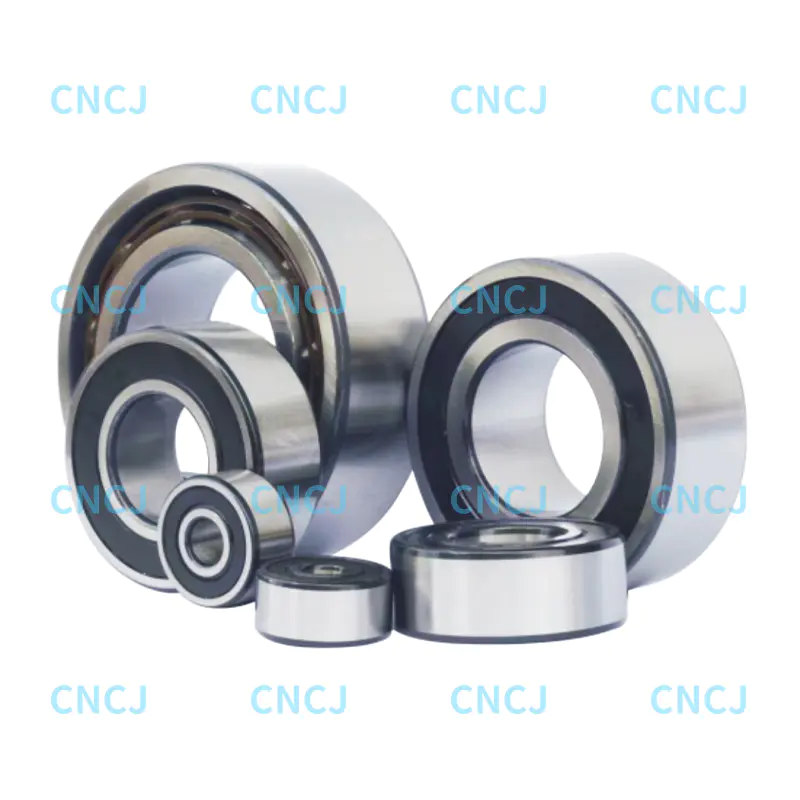
Takım Tezgahı Millerinde ve Hassas Ekipmanlarda Kullanım
Takım tezgahı milleri, 33 serisi de dahil olmak üzere çift sıralı eğik bilyalı rulmanların en zorlu ve tarihsel olarak en önemli uygulamalarından birini temsil eder. CNC işleme merkezleri, taşlama makineleri, delik işleme tezgahları ve torna tezgahlarının tümü birbiriyle çelişen üç gereksinimi aynı anda karşılayan iş mili rulman düzenlemeleri gerektirir: maksimum sertlik (takım sapmasını en aza indirmek ve işleme doğruluğunu korumak için), yüksek dönme hızı kapasitesi ve birleşik kesme yükleri altında uzun hizmet ömrü.
Neden Çift Sıralı Eğik Temaslı Rulmanlar İş Mili Uygulamalarında Hakim Oluyor?
İşleme operasyonlarında kesici takım, takım yolu değiştikçe büyüklükleri ve yönleri sürekli değişen hem radyal hem de eksenel bileşenlere sahip kuvvetler üretir. Bir fener mili rulmanının, takım ucunda işleme toleransını aşan herhangi bir sapmaya izin vermeden bu birleşik yüklere tepki vermesi gerekir; hassas taşlama operasyonları için bu, şu anlama gelir: 50 ila 200 N/mikron iş mili radyal sertliği takım montaj noktasında gereklidir. (Kaynak: Takım Tezgahı Tasarımının Temelleri, Klocke ve Kuchle, Springer, 2011)
33 serisi rulmanların sırt sırta çift sıralı geometrisi, rulmanın kendi eksenel uzunluğu içerisinde geniş ve etkili bir destek aralığı oluşturarak, eksantrik kesme yükleri altında takım ucu sapmasına eşdeğer delik boyutundaki tek sıralı alternatiflerden çok daha etkili bir şekilde direnç gösteren moment sertliği oluşturur. Hassas dereceli 33 serisi rulmanlar (ISO P5 ve P4 sınıfları), doğruluk gereksinimlerinin en kritik olduğu CNC işleme merkezlerinin ve taşlama millerinin ön (iş sonu) iş mili konumunda kullanılır.
Özel Takım Tezgahı Uygulamaları
- CNC freze milleri: Üç eksenli kesme kuvvetlerinin tek bir kompakt yatak konumundan eş zamanlı radyal ve çift yönlü eksenel destek gerektirdiği dikey ve yatay CNC işleme merkezlerinde iş mili iş mili yatağı konumu
- Silindirik taşlama milleri: Silindirik ve yüzey taşlama makinelerinde, radyal taşlama kuvveti ve taş kütlesinin bir araya gelerek yüksek radyal sertlik gerektirdiği ve taşlama taşı besleme yönünün desteklenmesi gereken eksenel itme kuvveti ürettiği taş kafası milleri
- Sıkıcı makine milleri: Derin delik işleme operasyonları eş zamanlı olarak radyal kesme kuvvetleri ve iş parçası ilerleme yönündeki itme kuvvetini oluşturarak 33 serisinin birleşik yük kapasitesini doğrudan uygulanabilir hale getirir
- Hassas alet milleri: Koordinat ölçüm makinesi (CMM) prob kafaları, optik döner tablalar ve hassas bölme kafaları, fabrika ön yükünün saha kalibrasyonu olmadan tutarlı düşük salgılı dönüş sağladığı minyatür boyut aralıklarında 33 serisi rulmanlar kullanır
Otomotiv ve Araç Uygulamalarında Kullanım
Otomotiv endüstrisi, çift sıralı eğik bilyalı rulmanların en büyük tüketicilerinden biridir ve 33 serisi, özellikle yüksek eksenel yük kapasitesinin baskın tasarım gereksinimi olduğu çeşitli araç uygulamalarına yöneliktir.
Tekerlek Porya Rulman Üniteleri
Modern binek araç tekerlek poyrası rulman üniteleri - Nesil 1 ve Nesil 2 tasarımları - göbek grubunun yapısal kalbi olarak çift sıralı eğik bilyalı rulmanlar kullanır. Bir araç tekerleğindeki yük ortamı klasik bir birleşik yükleme durumudur: süspansiyon geometrisi yoluyla etki eden araç ağırlığından kaynaklanan radyal yük, viraj alma kuvvetlerinden ve yanal olarak etki eden yol eğiminden kaynaklanan eksenel yük ve tekerlek merkez çizgisinde bir devrilme momenti oluşturan frenleme torku ve süspansiyon geometrisinden kaynaklanan moment yükü.
33 serisinin 30 derecelik temas açısı bu yük profiline çok uygundur çünkü dinamik sürüş manevraları sırasında viraj alma kuvvetleri yaklaşabilecek eksenel yükler oluşturur Statik radyal yükün 0,8 ila 1,2 katı dış tekerlekte — 33 serisinin sığ açılı alternatiflere göre daha verimli şekilde kullandığı yüksek eksenel-radyal oranı. (Kaynak: SAE Uluslararası Binek Araçlar Dergisi - Mekanik Sistemler, Tekerlek Rulman Yükü Analizi, Cilt 5, 2012)
Şanzıman ve Şanzıman Uygulamaları
Manuel ve otomatik araç şanzımanları, ileri ve geri vites bağlantıları arasındaki şanzıman çevrimleri sırasında, dişli ağ radyal kuvvetlerini her iki eksenel yönde helisel dişli itme yükleriyle birleştiren şaft yükleri üretir. 33 serisi, eşleştirilmiş tek sıralı alternatiflere göre daha kompakt bir eksenel alan kaplarken bu şaft konumlarının gerektirdiği çift yönlü eksenel desteği sağlar; bu, paket alanının ciddi şekilde kısıtlandığı kompakt transaks tasarımlarında önemli bir husustur.
Servo Direksiyon ve Elektrik Motor Sürücüleri
Elektrikli hidrolik direksiyon (EPS) motor milleri ve elektrikli araç çekiş motorlarının tahrik milleri, sıfıra yakın hızlardan düşük gürültü ve titreşimi korurken, kayıştan veya dişli tahrikli kuvvet aktarımından gelen birleşik radyal ve eksenel yükleri taşıyan rulmanlar gerektirir. 15.000 rpm veya üstü modern EV mimarilerinde. Hassas dereceli 33 serisi, bu yüksek hızlı, düşük gürültülü uygulamalar için gereken düşük gürültülü çalışma, birleşik yük kapasitesi ve fabrika ön yükleme doğruluğunun birleşimini sağlar.
Pompa ve Kompresörlerde Kullanım
Santrifüj pompalar ve döner kompresörler, aşağıdakiler için doğal bir uygulama alanını temsil eder: 33 Serisi Çift Sıralı Eğik Bilyalı Rulmanlar çünkü bu makinelerin akışkan dinamiği, pervane veya rotor yüzeyleri üzerindeki şaft ağırlığından ve akışkan basıncından kaynaklanan radyal yüklerin yanı sıra, şaft yatak sistemi tarafından taşınması gereken eksenel itme yükleri üretir.
Santrifüj Pompa Şaft Yatakları
Tek kademeli bir santrifüj pompada, pervane girişi ve çıkışı arasındaki basınç farkı, akışkanın pervane gözüne yaklaşması yönünde etki eden eksenel bir hidrolik itme kuvveti oluşturur. Bu itme yükü çalışma sırasında süreklidir ve tamamen pompa mili yatak sistemi tarafından karşılanmalıdır. Su arıtma, kimyasal işleme ve HVAC uygulamalarındaki orta büyüklükteki santrifüj pompalar için eksenel itme kuvveti şu şekilde temsil edilebilir: Radyal yükün %20 ila 60'ı Şaft ağırlığından ve kayış veya kaplin yan yüklerinden.
33 serisi rulmanlar bu yük profiline doğrudan hitap etmektedir: 30 derecelik temas açısı, hidrolik itme bileşeni için yüksek eksenel kapasite sağlarken, çift sıralı yapı, şaft ağırlığı ve kayış yükleri için radyal kapasite sağlar ve sırt sırta geometri, asılı çarklardan gelen konsol yükleri için moment desteği sağlar. Bu kombinasyon, 33 serisini endüstriyel proses hizmetlerinde uçtan emişli santrifüj pompalar için özellikle değerli kılmaktadır. (Kaynak: Pump Handbook, Karassik, Messina, Cooper and Heald, McGraw-Hill, 4. Baskı, 2008)
Kompresör Şaft Desteği
Soğutma, iklimlendirme ve endüstriyel basınçlı hava uygulamalarındaki döner vidalı ve kaydırmalı kompresörler, vidalı rotorların sarmal geometrisinden veya kaydırma plakası yüzeylerindeki diferansiyel gaz basıncından eksenel kuvvetler üretir. Bu eksenel yükler, rotor kütlesinden kaynaklanan radyal yüklerle ve şaft eksenine dik gaz kuvvetleriyle birleştirilir. 33 serisi, ayrı bir baskı yatağının eklenmesinin makine boyutunu ve maliyetini önemli ölçüde artıracağı bu makinelerin kompakt radyal zarfında ihtiyaç duyulan birleşik yük kapasitesini sağlar.
Endüstriyel Redüktörlerde ve Tahrik Sistemlerinde Kullanım
Endüstriyel dişli kutuları (özellikle helisel, konik ve sonsuz dişli redüktörler) doğası gereği birleştirilmiş şaft yükleri üretir. Helisel dişlilerin birbirine geçen geometrisi üç bileşenli bir şaft kuvveti vektörü üretir: teğetsel (dönme), radyal (ayırma) ve eksenel (helis açısından itme). Her üçünün de mil yatak sistemi tarafından reaksiyona sokulması gerekir ve helisel dişlilerin eksenel bileşeni önemli olabilir; Teğetsel kuvvetin %30 ila 70'i helis açısına bağlıdır. (Kaynak: Shigley's Mechanical Engineering Design, Budynas ve Nisbett, 10. Baskı, McGraw-Hill, 2014)
Helisel Dişli Redüktör Çıkış Milleri
Helisel dişli redüktörün çıkış mili, dişli kutusundaki en yüksek torku ve dolayısıyla en yüksek teğetsel dişli kuvvetini taşır. Helisel dişli ağından gelen eş zamanlı eksenel baskı, bu şaft konumunu 33 serisi için doğal bir uygulama haline getirir. Çıkış şaftındaki tek bir çift sıralı rulman, ayrı bir baskı rondelasına sahip tek sıralı bir yatağın karşılayamayacağı kompakt bir kurulumda, ihtiyaç duyulan birleşik radyal ve çift yönlü eksenel desteği sağlar - frenleme veya geri dönüş çevrimleri sırasında dişli her iki yönde döndüğünde eksenel itme geri dönüşünü karşılar - kompakt bir kurulumda.
Konik Dişli Pinyon Milleri
Dik açılı dişli tahriklerindeki konik dişli pinyon milleri özellikle zorlu rulman uygulamalarıdır çünkü dişli ağ geometrisi, yükün ters çevrilmesiyle yön değiştiren büyük eksenel ayırma kuvvetleri üretir. 33 serisi sırt sırta çift sıralı düzenleme bu uygulamaya özellikle uygundur çünkü simetrik geometrisi, yük yönü değiştiğinde ön yükün sahada ayarlanmasını gerektirmeden eksenel yüklere her iki yönde eşit şekilde tepki verir.
Rüzgar Türbini Yardımcı Tahrikleri
Rüzgar türbinlerindeki eğim kontrol sürücüleri, sapma sürücüleri ve yardımcı jeneratör sürücüleri, kompakt dişli kutusu ve motor düzeneklerini kullanır; burada 33 serisi, bir rüzgar türbini motor bölmesinin sınırlı kurulum alanında ihtiyaç duyulan birleşik yük ve çift yönlü itme desteğini sağlar. Bu uygulamalar aynı zamanda yerden 80 ila 120 metre yüksekliğe monte edilen bileşenler için gereken uzatılmış bakım aralıklarını sağlayan 33 serisinin sızdırmaz ve gres dolu çeşitlerinden de yararlanır.
Elektrik Motorları ve Jeneratörlerde Kullanım
Orta ila büyük güç aralığındaki elektrik motorları (özellikle eksenel fanları, helisel dişli yükleri veya kayış tahrikli ekipmanı çalıştıran motorlar), şaft konumlarında birleşik radyal ve eksenel yükleri karşılayan rulmanlar gerektirir. 33 serisi, rotorun eksenel konumlandırılmasının gerekli olduğu motorların tahriksiz uç (NDE) yatak konumunda ve kayış tarafı yüklerinin dişli veya kaplinle iletilen itme kuvveti ile birleştiği tahrik ucu (DE) konumunda kullanılır.
Değişken Hızlı Sürücü Motor Uygulamaları
Değişken frekanslı sürücüler (VFD'ler) tarafından çalıştırılan motorlar, yatak temas noktaları aracılığıyla şaft akımı üretebilir; bu, yatak temas bölgesinden geçen elektrik akımının çukurlaşmaya ve erken arızaya neden olduğu, iyi belgelenmiş bir arıza mekanizmasıdır. 33 serisinin yalıtımlı rulman modellerinde dış halka veya yuva, akım geçişini önlemek için elektriksel olarak yalıtımlı seramik ile kaplanmıştır. Yalıtımlı konfigürasyondaki 33 serisi, yukarıdaki VFD tahrikli motorlar için standart seçimdir 75 kW şaft gücü NDE konumunda, bu motor tipinde erken arızanın başlıca nedeni olan şaft akımından kaynaklanan yatak hasarını önler. (Kaynak: Endüstri Uygulamalarında IEEE İşlemleri, Şaft Akımlarından Elektrik Motoru Rulman Hasarı, Cilt 37, Sayı 6, 2001)
Tarım ve İnşaat Makinelerinde Kullanım
Tarım ve inşaat ekipmanı uygulamaları, rulmanları standart rulman tasarımlarını zorlayan şok yükleme, kirlenme, geniş sıcaklık değişimi ve bakımlar arasındaki uzun süreler koşullarına maruz bırakır. Yalıtımlı ve güçlendirilmiş versiyonlara sahip 33 serisi, bu ekipman kategorisinde çeşitli kilit konumlarda kullanılmaktadır.
Tarım Makinaları Uygulamaları
- Biçerdöver harman tamburu millerini birleştirin: Biçerdöverlerdeki harman tamburları, helisel tambur geometrisinden ve yan yük değişimlerinden kaynaklanan eksenel yüklerle birlikte mahsul malzemesinin birbirine geçmesinden kaynaklanan darbeli radyal yüklere maruz kalır. 33 serisinin çift sıralı yapısı, bu şok yük koşulları için gereken yük kapasitesi marjını sağlar
- Traktör PTO (PTO) milleri: PTO şaftları, traktör engebeli zeminde manevra yaparken birleşik radyal, eksenel ve moment yükleri oluşturan üniversal mafsal kaplinleri aracılığıyla motor gücünü çekilen ekipmanlara aktarır. PTO aktarma organındaki sızdırmaz 33 serisi rulmanlar, saha bakım programlarına uygun daha uzun servis aralıkları sağlar
- Ekim makinası tahrik milleri: Hassas ekim makinalarındaki tohum dozaj ve dağıtım tahrik milleri, dişli tahrik kuvvetlerinden ve toprağı çalıştıran sürgü sistemlerinden iletilen titreşim yüklerinden kaynaklanan birleşik yükleri taşır
İnşaat Ekipmanları Uygulamaları
- Beton karıştırıcı tambur sürücüleri: Beton karıştırıcı tamburunun tahrik mili, tambur ağırlığından gelen radyal yükü ve karıştırma sırasında itme kuvveti oluşturan tambur içindeki helisel vida geometrisinden gelen eksenel yükü taşır. 33 serisi, bu birleşik statik ve dinamik yükü kompakt bir tahrik ünitesinde verimli bir şekilde yönetir
- Sıkıştırma ekipmanı titreşimli şaft: Titreşimli sıkıştırıcılar ve yol silindirleri, zemin sıkıştırma kuvvetleri oluşturmak için eksantrik dönen kütleler kullanır. Bu titreşim uyarıcılarının şaft yatakları, şaft konumundan kaynaklanan eksenel yüklerle birlikte çok yüksek dinamik radyal yükleri taşır. Ağır hizmet sınıflarındaki 33 serisi, bu yüksek dinamik yük koşullarını, kompakt sıkıştırma ekipmanının alan kısıtlamaları dahilinde ele alır
Hassas Aletlerde ve Ölçüm Ekipmanlarında Kullanım
Ağır endüstriyel makinelerin uygulama yelpazesinin diğer ucunda, 33 Serisi Çift Sıralı Eğik Bilyalı Rulmanlar hassas derecelerde (ISO 492'ye göre P5, P4 ve P2 doğruluk sınıfları), yük kapasitesinden ziyade dönme doğruluğu, düşük titreşim ve minimum sürtünmenin birincil seçim kriterleri olduğu uygulamalarda kullanılır.
Koordinat Ölçme Makinesi (CMM) Döner Eksenleri
CMM sistemlerindeki döner eksen modülleri, salgısı aşağıda olan rulmanlar gerektirir 0,5 mikron iş mili montaj yüzeyinde ve aşağıdaki eksenel salgıda 0,3 mikron Prob ucunda ölçüm doğruluğunu korumak için. Fabrika ön yüklemeli ve düşük gürültülü dereceli bilya seçimine sahip hassas P4 sınıfı 33 serisi rulmanlar, bu gereksinimleri karşılarken, döner eksen değişen prob temas yönlerinden yüklendiğinde ihtiyaç duyulan çift yönlü eksenel desteği sağlar.
Hassas Döner Tablalar ve İndeksleme Üniteleri
Taşlama makineleri, EDM makineleri ve çok eksenli CNC işleme merkezlerindeki döner tablalar, doğru iş parçası indekslemesi için gereken radyal ve eksenel konumlandırma doğruluğu ve moment sertliği kombinasyonunu sağlamak üzere hassas 33 serisi rulmanlar kullanır. Çift sıralı ünitenin fabrikada ayarlanan ön yükü, döner tabla yeniden konumlandırıldığında veya bakım yapıldığında rulman ön yükünün sıfırlanması ihtiyacını ortadan kaldırır; bu, üretim ortamlarında pratik bir bakım avantajıdır.
Gıda İşleme ve Paketleme Makinelerinde Kullanım
Gıda işleme endüstrisi, yatak malzemeleri ve yağlama konusunda korozyon direnci, gıda sınıfı yağlayıcı uyumluluğu ve yıkanarak temizlemeye dayanıklılık gibi zorlu gereklilikler getirirken, yine de genel endüstriyel uygulamalarda geçerli olan aynı birleşik yük kapasitesi özelliklerini gerektirmektedir. 33 serisinin paslanmaz çelik çeşitleri ve gıdaya uygun gresle doldurulmuş sızdırmaz versiyonları şu alanlarda kullanılır:
- Mikserler ve karıştırma ekipmanları: Endüstriyel karıştırıcılardaki karıştırıcı şaft yatakları, paslanmaz çelik veya kaplamalı yatak halkaları gerektiren aşındırıcı gıdayla temas eden ortamlarda, karıştırıcı bıçaklarındaki sıvı direncinden kaynaklanan birleşik radyal yükleri ve helisel karıştırıcı geometrisinden gelen eksenel yükleri taşır.
- Konveyör tahrik kafaları: Gıda konveyör sistemlerindeki tahrik mili yatakları, bant gerginliğinden kaynaklanan birleşik radyal yükleri ve bant yolları boyunca yanal kuvvet oluşturan taçlı konveyör makaralarından gelen eksenel yükleri taşır. Sızdırmaz gıda sınıfı 33 serisi rulmanlar, sürekli üretim tesislerinde gereken daha uzun bakım aralıklarını sağlar
- Paketleme makinesi tahrik sistemleri: Kam tahrikli veya servo tahrikli eksenlere sahip yüksek hızlı paketleme makineleri, kam geometrisinden ve atalet kuvvetlerinden kaynaklanan birleşik radyal ve eksenel yüklerin ve atalet kuvvetlerinin mevcut olduğu kam milinde ve tahrik konumlarında 33 serisi rulmanlar kullanır. 2.000 - 4.000 dev/dak
Uygulama Özeti: 33 Serisi Rulmanların Kullanıldığı Yerler
| Uygulama Alanı | Özel Kullanım | Anahtar Yükü Gereksinimi | Neden 33 Serisi |
| Takım tezgahları | CNC milleri, taşlama kafaları, sıkıcı değirmenler | Yüksek radyal eksenel moment sertliği | Kompakt, yüksek sertlik, fabrika ön yüklemesi |
| Otomotiv | Tekerlek göbekleri, şanzımanlar, EPS motorlar | Kombine radyal yüksek eksenel (virajlama) | Yüksek eksenel kapasite, kompakt ünite, saha ayarı gerektirmez |
| Pompalar | Santrifüj pompa milleri, kompresör milleri | Ağırlıktan/kaplinden hidrolik itme radyal | 30 derecelik açı, yüksek eksenel-radyal oranı yönetir |
| Endüstriyel dişli kutuları | Helisel dişli milleri, konik pinyon milleri | Çift yönlü eksenel radyal dişli ağ kuvvetleri | Tek bir ünitede çift yönlü eksenel, kompakt |
| Elektrik motorları | VFD motorlar, jeneratör milleri | Kayış veya dişliden radyal eksenel; şaft akımı riski | Yalıtımlı modeller şaft akımının zarar görmesini önler |
| Tarım ekipmanları | Harman tamburları, PTO milleri, ekim makinaları | Kirlenmiş ortamlarda şok radyal eksenel | Şok yükler için sızdırmaz, çift sıralı kapasite |
| Hassas aletler | CMM döner eksenleri, hassas döner tablalar | Mikron altı salgı kombine yük kapasitesi | P4/P5 sınıfı fabrika ön yüklemesi, düşük salgı |
| Gıda işleme | Karıştırıcılar, konveyörler, paketleme makineleri | Aşındırıcı, yıkanabilen ortamda birleşik yük | Paslanmaz ve gıda sınıfı sızdırmaz çeşitleri mevcuttur |
Uygulamanız için Doğru 33 Serisi Rulmanı Seçme
Geniş uygulama aralığı 33 Serisi Çift Sıralı Eğik Bilyalı Rulmanlar spesifikasyon ayrıntılarının seri tanımı kadar önemli olduğu anlamına gelir. Belirli bir uygulama için seçim yaparken şu parametreleri onaylayın:
- Eşdeğer dinamik yükü (P) hesaplayın. ISO 281'e göre geçerli Fa/Fr oranında 33 serisi için X ve Y faktörleriyle birlikte radyal (Fr) ve eksenel (Fa) yük bileşenlerini kullanarak, seçilen rulmanın dinamik yük değeri C'nin, çalışma hızı ve sıcaklığında gerekli L10 ömrünü sağladığını doğrulayın.
- Hassas derece gereksinimini onaylayın. Genel endüstriyel uygulamalarda P0 (Normal) sınıfı kullanılır. Takım tezgahı iş milleri ve hassas aletler P5, P4 veya P2 sınıfını gerektirir. Hassas kalitedeki her adım maliyeti artırır; yalnızca uygulamanın gerçekten gerektirdiği notu belirtin
- Doğru yağlama konfigürasyonunu seçin. Erişilemeyen veya bakımın sınırlı olduğu konumlar için, mühürlü (2RS) fabrikada greslenmiş çeşitleri belirtin. Gres hız sınırını aşan yüksek hızlı uygulamalar için, yağ banyolu veya jet yağlamalı açık rulmanları tercih edin
- Şaft ve mahfazanın uygunluğunu doğrulayın. Önerilen mil toleransını (dönen iç bilezik için genellikle k5 veya m5) ve yatak deliği toleransını (sabit dış bilezik için tipik olarak H6 veya J6) ISO 286'ya göre onaylayın. Yanlış sıkı geçme, rulmanın yük katsayısından bağımsız olarak erken rulman arızasının önde gelen nedenidir.
- VFD uygulamaları için yalıtımlı çeşitleri göz önünde bulundurun. Rulman, 75 kW'ın üzerinde değişken frekanslı bir sürücüyle çalıştırılan bir elektrik motorundaysa, şaft akımından kaynaklanan rulman hasarını önlemek için yalıtımlı dış bilezik varyantını belirtin
CNCJ 33 Serisi Çift Sıralı Eğik Bilyalı Rulmanlar Bu makalede açıklanan uygulamalar için gereken tüm delik boyutları ve hassasiyet sınıfları aralığında ISO boyut ve tolerans standartlarına göre üretilmektedir. Ürün yelpazesi, kapalı ve açık konfigürasyonlar, çoklu boşluk seçenekleri ve yük ve ömür hesaplama yardımı için uygulama mühendisliği desteği ile endüstriyel kullanıma yönelik standart P0 kalitesinden takım tezgahı ve enstrümantasyon uygulamalarına yönelik P4 hassas kalitesine kadar uzanır.